The 4 Cringe-Worthy Data Problems Preventing The Growth You Want
Startups and SMEs don’t fail because they lack passion. They struggle because their data is messy, expensive, confusing, or pointing in the wrong direction. We’ve seen smart founders burn cash on tools they barely use.
Startups and SMEs don’t fail because they lack passion. They struggle because their data is messy, expensive, confusing, or pointing in the wrong direction. We’ve seen smart founders burn cash on tools they barely use.

Daniel Ifediba
Daniel Ifediba
Co-founder
Co-founder
Featured

Startups and SMEs don’t fail because they lack passion. They struggle because their data is messy, expensive, confusing, or pointing in the wrong direction. We’ve seen smart founders burn cash on tools they barely use. We’ve seen teams stuck in spreadsheets while competitors move faster. We’ve seen dashboards full of numbers but no real answers. These problems look small at first. But over time, they quietly block growth, slow decisions, and drain money.
Cost: When Your Data Stack Becomes a Money Pit
Most growing companies spend on data tools without a clear plan. They buy analytics platforms, reporting tools, cloud storage, and automation software. Each one promises speed and insights. But together, they create high monthly bills and little clarity. Leaders start asking, “Why are we paying this much?” but no one can give a simple answer.
In 2025, We worked with a web3 startup that was spending over $8,000 per month on scattered data tools. Their team of five was manually cleaning reports every week. Despite the spend, their churn rate kept rising by 3% monthly. They thought the problem was marketing. It wasn’t. Their data was fragmented and unreliable, so decisions were based on guesses.
After restructuring their data system and removing unnecessary tools, their monthly costs dropped by 42%. Reporting time reduced from 12 hours per week to less than 2. Within three months, they improved retention by 18% because they finally trusted their numbers. The problem wasn’t growth. It was hidden waste.
No Time: “We Just Want to Build Our Product”
Founders want to focus on building great products. Data feels like a distraction. So they delay it. They say, “We’ll fix our data later.” But later becomes a crisis. When investors ask for clean metrics, teams scramble. When customers churn, no one knows why. And when scaling starts, the system breaks.
A B2B SaaS startup in their seed phase reached out to us in 2024, good thing is that they had strong product-market demand. But they were tracking deals in WhatsApp chats, spreadsheets, and email threads. The founder was spending 10+ hours every week chasing updates. Their revenue pipeline reports were always two weeks behind. Growth stalled because operations couldn’t keep up.
Once their data and workflows were automated and unified, their team saved over 40 hours per month. Sales response time improved by 60%. Within two quarters, revenue increased by 25% simply because they stopped operating in chaos. Time wasn’t the real problem. Structure was.
Where to Start: The Overwhelming Data Stack
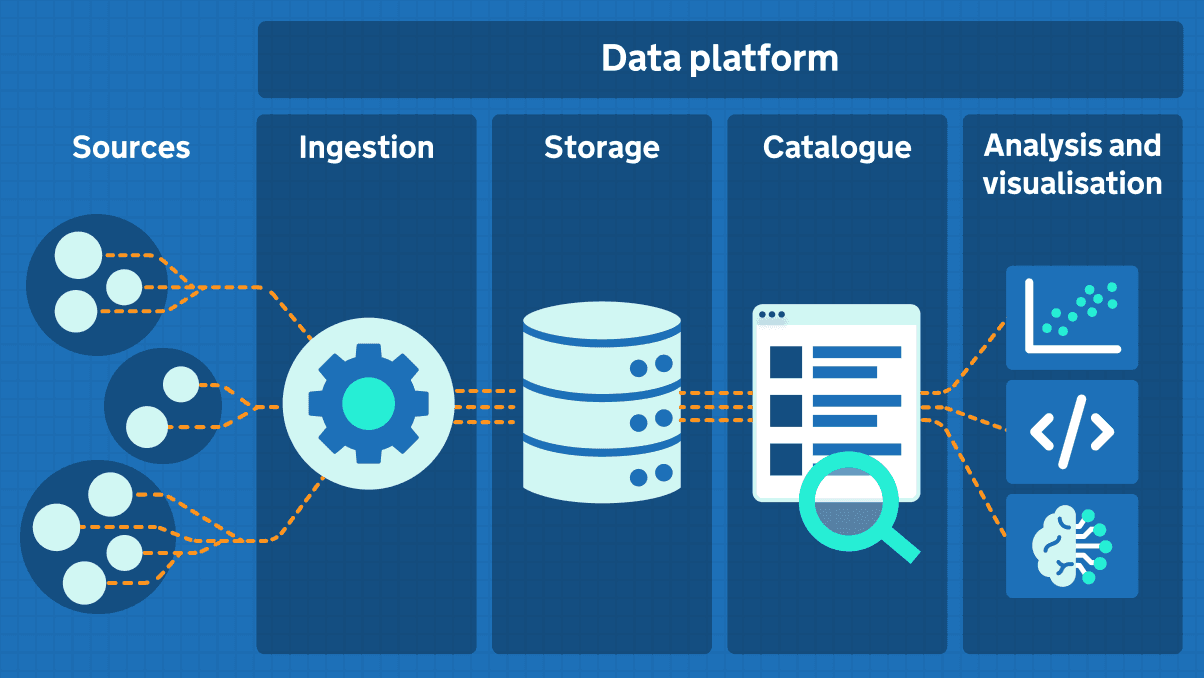
Many startups know they need a proper data platform. But the data world feels complex. Warehouses, pipelines, dashboards, AI tools, integrations, it sounds expensive and technical. So they either overbuild too early or never start at all. Both mistakes are costly.
An early-stage SaaS company approached us after trying to build their own data stack. They had hired freelancers, tested three cloud providers, and rebuilt their database twice. Six months passed with no stable system. Investors were asking for reliable KPIs, and the team had no clear architecture.
We helped them simplify their approach. Instead of copying enterprise systems, we built a lean, scalable foundation aligned with their stage. Within 30 days, they had automated reporting, reliable dashboards, and clear data flow. They closed their next funding round confidently because their numbers were clean and consistent.
Starting With Metrics Instead of a Goal
Many startups know they need a proper data platform. But the data world feels complex. Warehouses, pipelines, dashboards, AI tools, integrations, it sounds expensive and technical. So they either overbuild too early or never start at all. Both mistakes are costly.
An early-stage SaaS company approached us after trying to build their own data stack. They had hired freelancers, tested three cloud providers, and rebuilt their database twice. Six months passed with no stable system. Investors were asking for reliable KPIs, and the team had no clear architecture.
We helped them simplify their approach. Instead of copying enterprise systems, we built a lean, scalable foundation aligned with their stage. Within 30 days, they had automated reporting, reliable dashboards, and clear data flow. They closed their next funding round confidently because their numbers were clean and consistent.
The Pattern Behind All Four Problems
The issue is rarely effort. It’s direction. When cost is high, time is short, architecture is confusing, and metrics are disconnected from goals, growth slows down. But when the right structure is in place, everything moves faster. Decisions become clear. Waste reduces. Teams focus on what matters.
Every company we mentioned above faced one of these four problems. And every one of them saw measurable change once their data foundation was aligned with business goals, simplified for their stage, and built for scale, not complexity.
If your business is growing, your data problems are growing too. The longer you wait, the more expensive and messy it becomes.
Startups and SMEs don’t fail because they lack passion. They struggle because their data is messy, expensive, confusing, or pointing in the wrong direction. We’ve seen smart founders burn cash on tools they barely use. We’ve seen teams stuck in spreadsheets while competitors move faster. We’ve seen dashboards full of numbers but no real answers. These problems look small at first. But over time, they quietly block growth, slow decisions, and drain money.
Cost: When Your Data Stack Becomes a Money Pit
Most growing companies spend on data tools without a clear plan. They buy analytics platforms, reporting tools, cloud storage, and automation software. Each one promises speed and insights. But together, they create high monthly bills and little clarity. Leaders start asking, “Why are we paying this much?” but no one can give a simple answer.
In 2025, We worked with a web3 startup that was spending over $8,000 per month on scattered data tools. Their team of five was manually cleaning reports every week. Despite the spend, their churn rate kept rising by 3% monthly. They thought the problem was marketing. It wasn’t. Their data was fragmented and unreliable, so decisions were based on guesses.
After restructuring their data system and removing unnecessary tools, their monthly costs dropped by 42%. Reporting time reduced from 12 hours per week to less than 2. Within three months, they improved retention by 18% because they finally trusted their numbers. The problem wasn’t growth. It was hidden waste.
No Time: “We Just Want to Build Our Product”
Founders want to focus on building great products. Data feels like a distraction. So they delay it. They say, “We’ll fix our data later.” But later becomes a crisis. When investors ask for clean metrics, teams scramble. When customers churn, no one knows why. And when scaling starts, the system breaks.
A B2B SaaS startup in their seed phase reached out to us in 2024, good thing is that they had strong product-market demand. But they were tracking deals in WhatsApp chats, spreadsheets, and email threads. The founder was spending 10+ hours every week chasing updates. Their revenue pipeline reports were always two weeks behind. Growth stalled because operations couldn’t keep up.
Once their data and workflows were automated and unified, their team saved over 40 hours per month. Sales response time improved by 60%. Within two quarters, revenue increased by 25% simply because they stopped operating in chaos. Time wasn’t the real problem. Structure was.
Where to Start: The Overwhelming Data Stack
Many startups know they need a proper data platform. But the data world feels complex. Warehouses, pipelines, dashboards, AI tools, integrations, it sounds expensive and technical. So they either overbuild too early or never start at all. Both mistakes are costly.
An early-stage SaaS company approached us after trying to build their own data stack. They had hired freelancers, tested three cloud providers, and rebuilt their database twice. Six months passed with no stable system. Investors were asking for reliable KPIs, and the team had no clear architecture.
We helped them simplify their approach. Instead of copying enterprise systems, we built a lean, scalable foundation aligned with their stage. Within 30 days, they had automated reporting, reliable dashboards, and clear data flow. They closed their next funding round confidently because their numbers were clean and consistent.
Starting With Metrics Instead of a Goal
Many startups know they need a proper data platform. But the data world feels complex. Warehouses, pipelines, dashboards, AI tools, integrations, it sounds expensive and technical. So they either overbuild too early or never start at all. Both mistakes are costly.
An early-stage SaaS company approached us after trying to build their own data stack. They had hired freelancers, tested three cloud providers, and rebuilt their database twice. Six months passed with no stable system. Investors were asking for reliable KPIs, and the team had no clear architecture.
We helped them simplify their approach. Instead of copying enterprise systems, we built a lean, scalable foundation aligned with their stage. Within 30 days, they had automated reporting, reliable dashboards, and clear data flow. They closed their next funding round confidently because their numbers were clean and consistent.
The Pattern Behind All Four Problems
The issue is rarely effort. It’s direction. When cost is high, time is short, architecture is confusing, and metrics are disconnected from goals, growth slows down. But when the right structure is in place, everything moves faster. Decisions become clear. Waste reduces. Teams focus on what matters.
Every company we mentioned above faced one of these four problems. And every one of them saw measurable change once their data foundation was aligned with business goals, simplified for their stage, and built for scale, not complexity.
If your business is growing, your data problems are growing too. The longer you wait, the more expensive and messy it becomes.