How to Reduce SaaS Tool Costs and Fix a Bloated Data Stack
Startups and SMEs often overspend on SaaS tools. Analytics software, CRM add-ons, reporting tools, automation platforms. Each one solves a problem. Together they create financial waste.
Startups and SMEs often overspend on SaaS tools. Analytics software, CRM add-ons, reporting tools, automation platforms. Each one solves a problem. Together they create financial waste.

Daniel Ifediba
Daniel Ifediba
Co-founder
Co-founder
Insight

Startups and SMEs often overspend on SaaS tools. Analytics software, CRM add-ons, reporting tools, automation platforms. Each one solves a problem. Together they create financial waste.
This article explains how to reduce SaaS tool costs while improving your data system.
Why Data Stacks Become Expensive
Three common reasons:
Tools are added without strategy
Multiple tools do the same job
Teams do not fully use what they pay for
Many founders do not realize how much they spend monthly on software subscriptions.
Step 1: Perform a Tool Audit
Create a list of:
Every software subscription
Monthly cost
Annual cost
Purpose
Then answer one simple question for each tool:
What decision does this tool help us make?
If the answer is unclear, the tool is likely unnecessary.
Step 2: Identify Overlapping Tools
Common overlaps include:
Multiple reporting platforms
Separate automation tools
Duplicate CRM systems
Analytics tools that repeat the same metrics
Reducing duplication alone can cut costs by 20 to 50 percent.
Step 3: Centralize Your Data
When data lives across disconnected systems, companies buy more tools to compensate.
Instead:
Consolidate reporting
Integrate systems properly
Use a central database or warehouse
Automate data syncing
Centralization reduces manual work and tool dependency.
Step 4: Measure ROI Per Tool
For each tool calculate:
Time saved
Revenue generated
Costs reduced
If a tool costs $500 per month but saves zero time or revenue, it is a liability.
Step 5: Replace Complexity with Architecture
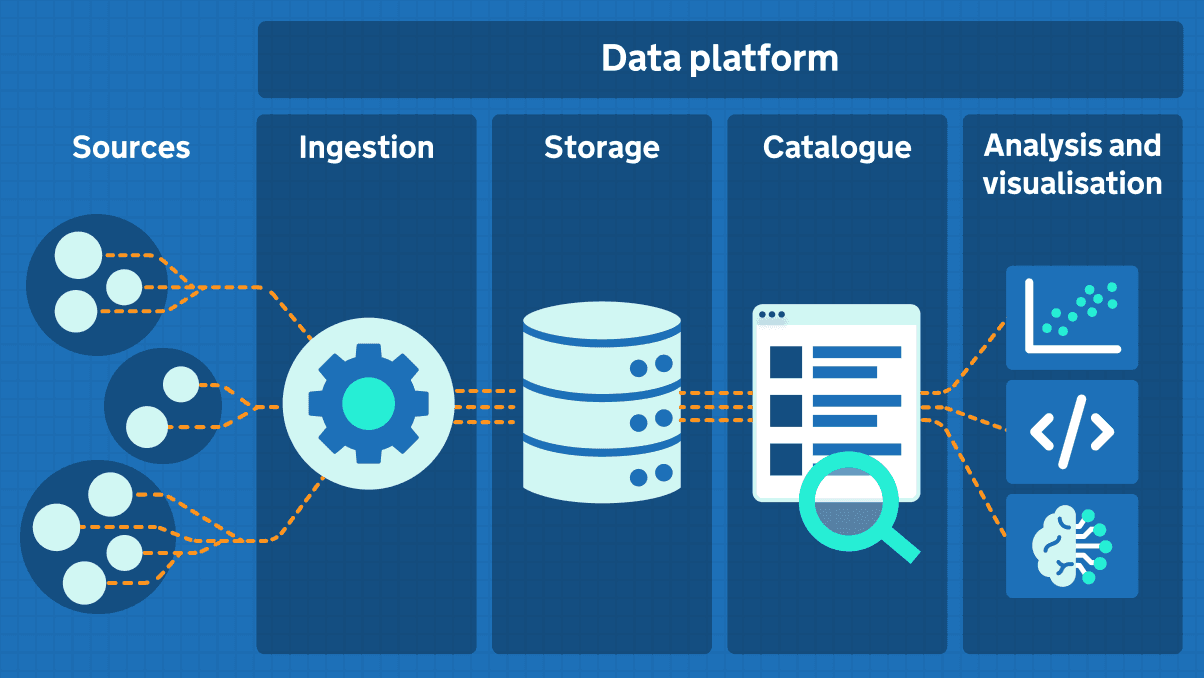
Often the issue is not the tools themselves. It is the lack of data architecture.
When your data platform is structured properly:
Fewer tools are needed
Reporting becomes easier
Data becomes reliable
Cloud costs stabilize
Many SMEs see immediate cost reductions within 60 days after restructuring their data stack.
Reducing SaaS costs is not about cutting blindly. It is about aligning tools with business outcomes.
If your data stack feels heavy, it probably is.
Startups and SMEs often overspend on SaaS tools. Analytics software, CRM add-ons, reporting tools, automation platforms. Each one solves a problem. Together they create financial waste.
This article explains how to reduce SaaS tool costs while improving your data system.
Why Data Stacks Become Expensive
Three common reasons:
Tools are added without strategy
Multiple tools do the same job
Teams do not fully use what they pay for
Many founders do not realize how much they spend monthly on software subscriptions.
Step 1: Perform a Tool Audit
Create a list of:
Every software subscription
Monthly cost
Annual cost
Purpose
Then answer one simple question for each tool:
What decision does this tool help us make?
If the answer is unclear, the tool is likely unnecessary.
Step 2: Identify Overlapping Tools
Common overlaps include:
Multiple reporting platforms
Separate automation tools
Duplicate CRM systems
Analytics tools that repeat the same metrics
Reducing duplication alone can cut costs by 20 to 50 percent.
Step 3: Centralize Your Data
When data lives across disconnected systems, companies buy more tools to compensate.
Instead:
Consolidate reporting
Integrate systems properly
Use a central database or warehouse
Automate data syncing
Centralization reduces manual work and tool dependency.
Step 4: Measure ROI Per Tool
For each tool calculate:
Time saved
Revenue generated
Costs reduced
If a tool costs $500 per month but saves zero time or revenue, it is a liability.
Step 5: Replace Complexity with Architecture
Often the issue is not the tools themselves. It is the lack of data architecture.
When your data platform is structured properly:
Fewer tools are needed
Reporting becomes easier
Data becomes reliable
Cloud costs stabilize
Many SMEs see immediate cost reductions within 60 days after restructuring their data stack.
Reducing SaaS costs is not about cutting blindly. It is about aligning tools with business outcomes.
If your data stack feels heavy, it probably is.